How Athletes Build Personal Brands in the NIL Era
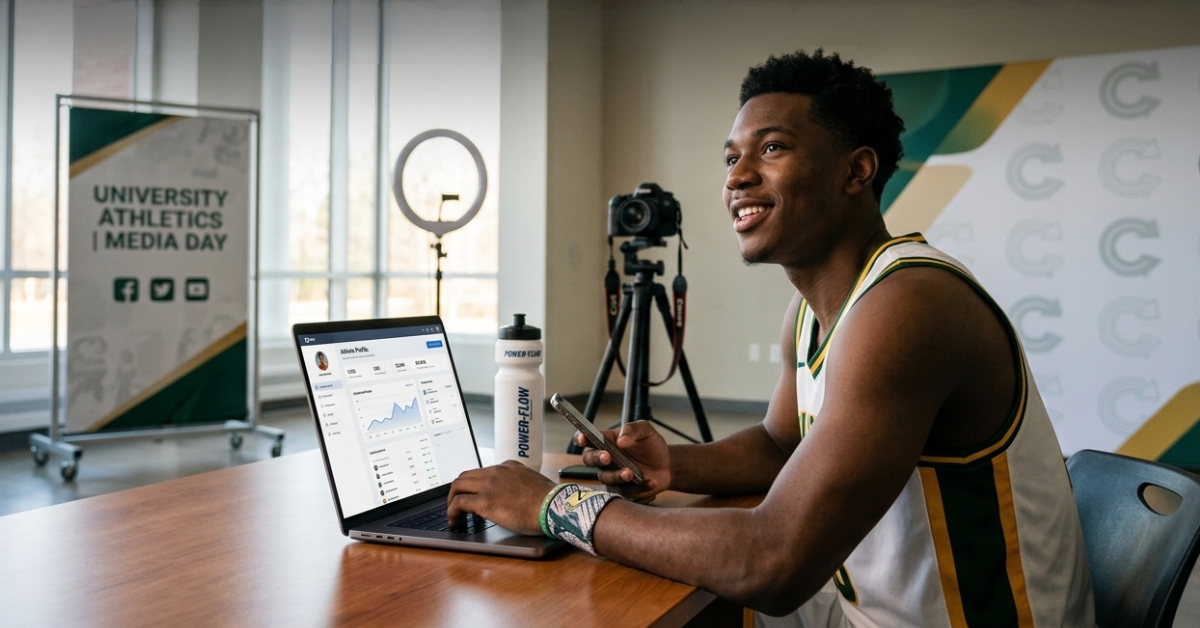
With the inception of the Name, Image, and Likeness (NIL) policies, college athletes now have unprecedented opportunities to build personal brands and engage in endorsement deals. This shift not only revolutionizes collegiate sports but also places a new level of responsibility on the shoulders of young athletes. In this article, we will explore the strategies that athletes can use to effectively build and manage their personal brands in the NIL era.
Understanding the NIL Era
The NIL era refers to the period following the NCAA's decision to allow collegiate athletes to profit from their name, image, and likeness. This landmark change came into effect in July 2021, ending a long-standing prohibition that prevented athletes from receiving compensation outside of traditional scholarships. The new NIL rules have opened doors for athletes to monetize their personal brands through endorsements, sponsorships, appearances, and even their own business ventures.
Developing a Marketable Personal Brand
For athletes looking to capitalize on NIL opportunities, the first step is developing a strong and marketable personal brand. This involves:
- Identifying Unique Traits: Athletes should identify and promote what makes them unique. This could be a specific skill, personality trait, backstory, or a combination of these elements.
- Consistency Across Channels: Maintaining a consistent image and voice across all platforms ensures that the brand remains recognizable and reliable.
- Engaging Content: Content is king in the digital world. Athletes should focus on creating engaging, high-quality content that resonates with their target audience, whether it's training videos, motivational posts, or behind-the-scenes insights.
Leveraging Social Media
Social media is a powerful tool for athletes in the NIL era. Platforms like Instagram, Twitter, and TikTok serve not just as mediums for sharing content, but also as channels for direct interaction with fans and potential sponsors. Effective use of social media involves:
- Regular Engagement: Regular posts and interactions with followers can help maintain and grow an audience.
- Professionalism: While it's important to be authentic, maintaining professionalism is crucial, as posts and behaviors online can affect potential deals with brands.
- Strategic Partnerships: Collaborating with brands that align with the athlete's values and image can enhance credibility and reach.
Building Relationships and Networking
Building a successful brand in the NIL era isn't just about online presence; it's also about creating real-world connections. Athletes should strive to:
- Engage with the Local Community: Participating in community events and supporting local causes can enhance an athlete's image and increase their appeal to local businesses.
- Network with Other Athletes and Professionals: Networking can open up opportunities for collaborations and partnerships that might not be available otherwise.
Monitoring and Adapting the Personal Brand
The work of building a personal brand does not end once an athlete gains recognition. Continuously monitoring how the brand is perceived and adapting strategies accordingly is essential. This might involve seeking feedback from audiences, adapting to new social media trends, and reassessing partnerships to ensure alignment with the brand's evolving image.
In conclusion, the NIL era provides a golden opportunity for athletes to leverage their fame for financial and personal gain. By understanding the basics of personal branding, effectively using social media, engaging with communities, and continuously evolving their strategies, athletes can establish enduring and lucrative personal brands.


Comments (0)