
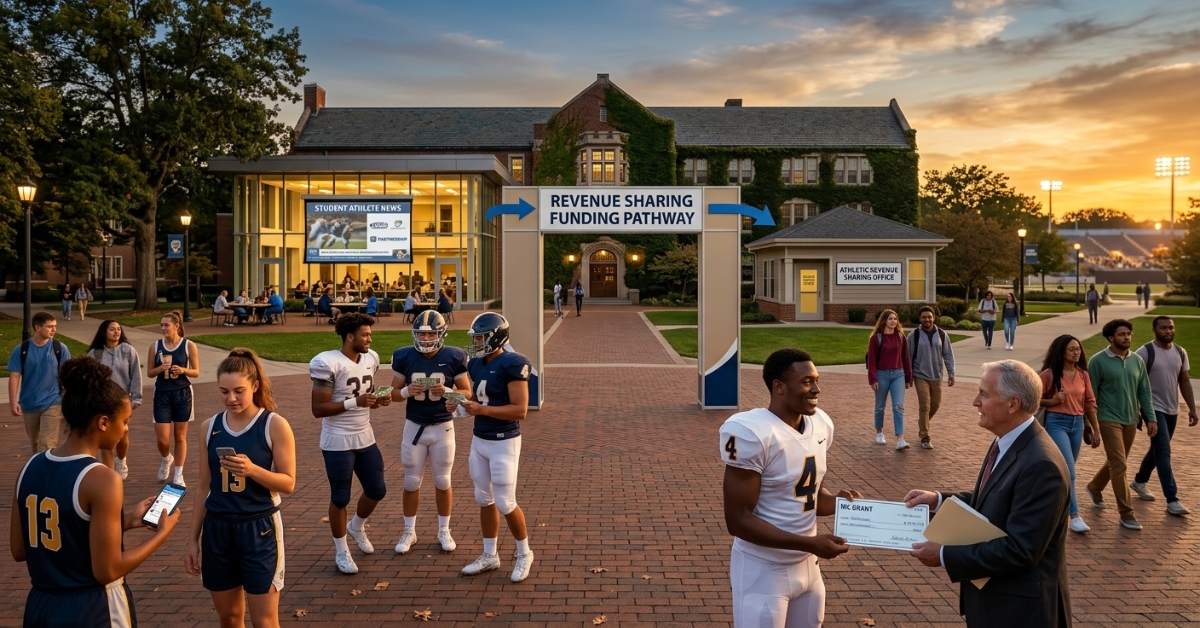
Since the NCAA's landmark decision to allow student-athletes to profit from their Name, Image, and Likeness (NIL), the landscape of collegiate sports has undergone significant changes. One of the most transformative developments has been the emergence of NIL collectives and innovative revenue sharing models. These structures are not only redefining athlete compensation but are also creating new dynamics within college sports management and marketing.
Understanding NIL Collectives
NIL collectives are essentially third-party organizations established to support athletes in maximizing their NIL opportunities. These groups often consist of alumni, fans, and business owners who pool resources to offer financial opportunities to athletes. The primary aim of these collectives is to ensure that athletes receive fair compensation for the use of their personal brands without directly involving their respective educational institutions.
By functioning outside the traditional university framework, NIL collectives help maintain compliance with NCAA rules, which prohibit schools from paying athletes directly for their NIL. Instead, these collectives facilitate deals between athletes and sponsors, helping to navigate the complex landscape of endorsements, personal appearances, and social media promotions.
The Role of Revenue Sharing Models in NIL
Revenue sharing models in NIL agreements represent a pivotal shift in how profits are distributed among athletes. Traditionally, revenue generated from college sports has overwhelmingly benefited institutions and their athletic departments. However, with the advent of NIL, athletes can now claim a share of the revenue generated from their own image and performance.
These models vary widely but typically involve contracts where athletes receive a percentage of the revenue from merchandise sales, video games, and media appearances directly linked to their persona. This not only empowers athletes financially but also encourages them to engage more actively with their personal brand development.
Impact on College Sports
The introduction of NIL collectives and revenue sharing models has significant implications for collegiate sports. For athletes, these developments offer a more equitable share of the revenues they help generate, which can assist in their personal and professional development. For colleges, the challenge lies in balancing the new revenue streams while maintaining team cohesion and ensuring that all regulatory requirements are met.
Moreover, these changes are prompting a more competitive environment among colleges as they seek to attract top talent by offering better NIL opportunities. This competition can enhance the quality of college sports programs but also raises concerns about the potential for inequity between programs with varying levels of funding and resources.
Challenges and Considerations
While NIL collectives and revenue sharing models provide numerous benefits, they also introduce several challenges. Key among these is the need for clear regulatory frameworks to prevent exploitation and ensure fairness. There is also the risk that these financial incentives could overshadow traditional academic and athletic values, potentially leading to conflicts of interest.
Furthermore, the varying state laws regarding NIL can create disparities and confusion among athletes and institutions, complicating compliance and enforcement efforts. As such, there is a growing call for uniform federal legislation to standardize NIL rights and responsibilities across all states.
Conclusion
The evolution of NIL in collegiate sports through collectives and revenue sharing models is reshaping the landscape in profound ways. As these structures continue to develop, they promise new opportunities for athlete empowerment and financial independence. However, navigating this new terrain requires careful consideration of the legal, ethical, and competitive implications that come with it. For collegiate sports to thrive under this new regime, a balanced approach that safeguards the interests of all stakeholders—athletes, institutions, and fans—is essential.




Comments (0)