
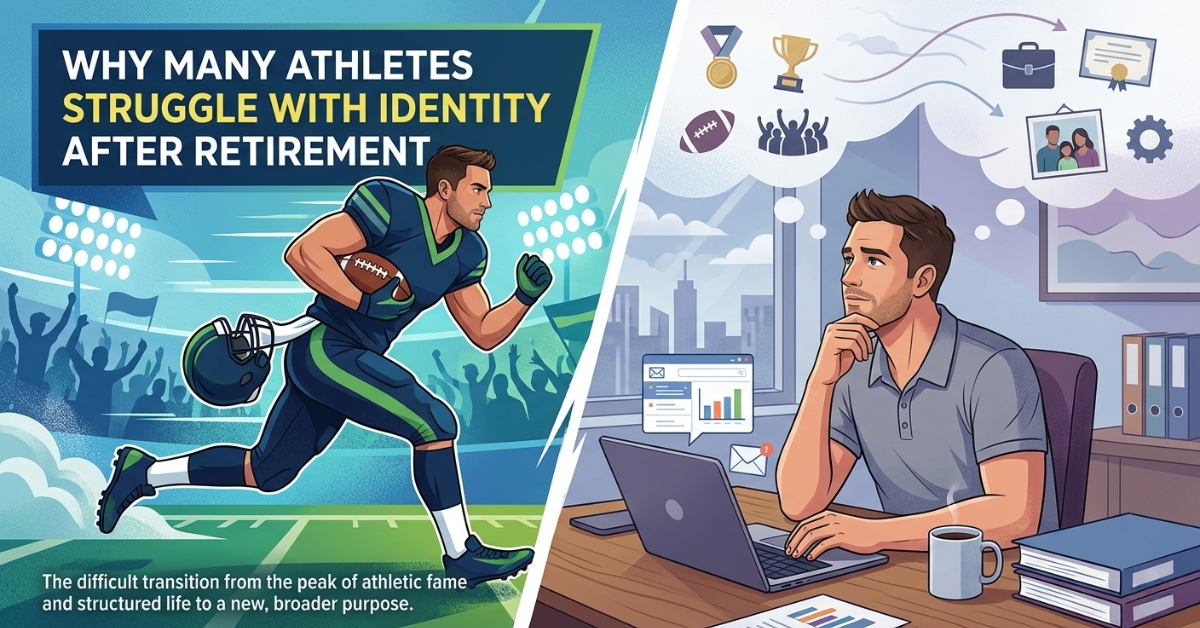
Why Many Athletes Struggle With Identity After Retirement
Retirement from professional sports can be a significant life change for many athletes. This transition is not just about ending a career; it's about moving into a new phase of life that often comes with its own set of challenges, including the struggle with identity loss. This article explores why many athletes face an identity crisis after retiring from sports and how it impacts their lives.
The Role of Sports in Athlete Identity
Sports often play a central role in defining an athlete's identity. From a young age, many athletes train intensively, their lives revolving around their sports schedule, competitions, and the pursuit of excellence. This singular focus can lead to a strong identification with being an athlete, overshadowing other aspects of their personality and life aspirations.
Loss of Routine and Structure
Professional athletes are accustomed to a structured lifestyle that includes regular training sessions, meetings with coaches, and competitive events. Retirement removes this structure, leaving a void that was once filled by sports. The sudden lack of routine can be disorienting and can lead to feelings of aimlessness, contributing to the struggle with identity.
Public Identity and Recognition
Being in the public eye is a common part of being a professional athlete. Regular media coverage, fan support, and public recognition contribute to an athlete's public persona. After retirement, the reduction in this attention can feel like a loss of status and validation, which can be particularly challenging for those who relished the limelight.
Physical Changes and Health Challenges
The physical prowess required to compete at high levels defines many athletes. Retirement often leads to changes in physical training and activity levels. Additionally, injuries sustained during their career can become more prominent, further affecting their self-image and how they relate to their former self as an athlete.
Searching for a New Purpose
Without the clear goals and benchmarks that come with professional sports, retired athletes often need to find new purposes. This search can be daunting as they might feel unprepared for careers outside of sports, struggle with transferable skills, and find it challenging to replicate the passion they felt for their sport in other areas of life.
Support Systems and Transition Programs
Understanding the importance of support systems and transition programs can help mitigate the identity crisis faced by athletes. Initiatives by sports organizations that focus on life skills, education, and career planning can equip athletes with the tools needed to embrace their life after sports more fully. Personal development programs and counseling can also play critical roles in helping athletes navigate this challenging transition.
In conclusion, the struggle with identity after retirement is a multifaceted issue that many athletes face. Addressing these challenges through comprehensive support systems and encouraging athletes to explore and develop their interests and skills outside of sports can pave the way for a more fulfilling life post-retirement.



Comments (0)