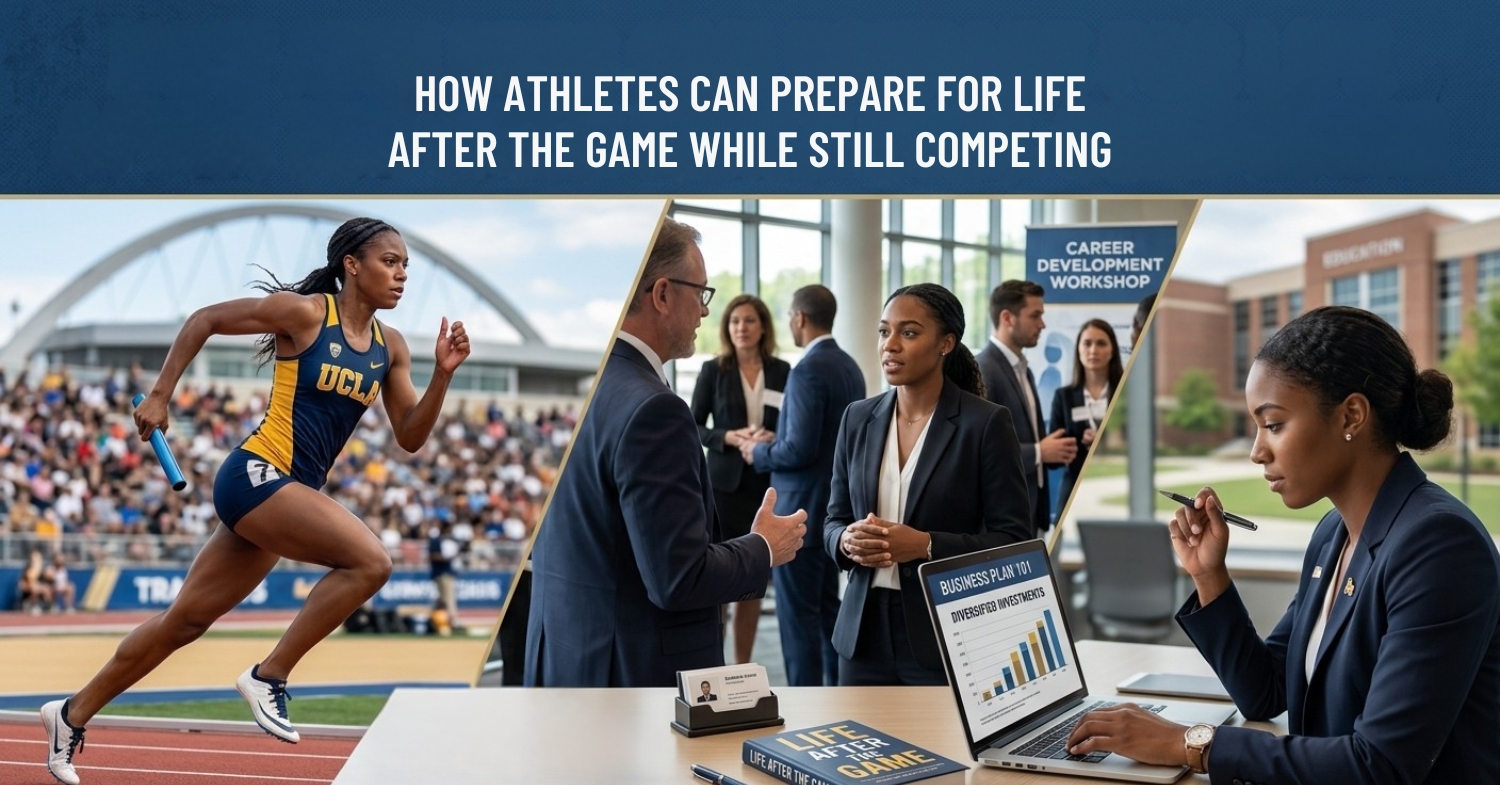
Many athletes face the daunting question of "What next?" as they approach the end of their competitive sports careers. Preparing for life after the game while still competing can seem challenging, but with the right strategies, athletes can ensure a smooth transition to post-sport life. This article outlines essential steps athletes can take to prepare for their future beyond their athletic career.
Education and Skill Development
Continuing education is a powerful tool for athletes looking to prepare for life after sports. Pursuing higher education or taking courses in areas of interest can open up new career opportunities. Athletes can take advantage of online courses, which offer flexibility around training schedules, to gain certifications or degrees in fields that interest them.
Additionally, developing new skills that are relevant to the job market can make the transition smoother. Skills in areas like communication, leadership, and project management are highly valued and can be developed through various workshops and courses.
Networking and Building Professional Relationships
Building a network outside of sports is crucial. Athletes should start networking with professionals in fields they are interested in, attending industry conferences, and joining professional associations. Engaging with mentors who have successfully transitioned from sports to other careers can also provide valuable insights and guidance.
Financial Planning
Financial security is a significant concern for many athletes transitioning out of sports. It’s essential to start financial planning early. Working with a financial advisor to set up a savings plan, understand investment options, and plan for taxes can help secure an athlete's financial future and provide peace of mind as they transition out of their sports career.
Mental Health and Well-being
The end of a sports career can be emotionally challenging. Athletes should prioritize their mental health by seeking support from psychologists or counselors who specialize in career transitions. Participating in activities that reduce stress, such as yoga or meditation, can also support mental well-being during this transition period.
Exploring New Passions and Interests
Exploring interests outside of sports can lead to discovering new passions that may turn into career opportunities. Athletes should allow themselves to explore different fields, volunteer, or even start a part-time business to identify what truly motivates them beyond their athletic identity.
Developing a Personal Brand
Developing a personal brand can help athletes maintain public interest and leverage their reputation into opportunities after their sports careers. This might include social media presence, public speaking, or authoring articles and books. A strong personal brand can open doors in areas such as coaching, commentating, or other roles in the sports industry.
In conclusion, while the transition from sports to a post-athletic career can be challenging, it is also an opportunity for growth and new experiences. By planning ahead and implementing the strategies discussed, athletes can prepare for a successful and fulfilling life after the game.



Comments (0)