The Hardest Part of Retiring From Sports
Retiring from a professional sports career is a monumental shift that many athletes face with a mix of emotions. While some aspects of retirement are welcomed, such as relief from the physical demands and rigorous schedules, other aspects can be daunting and challenging. This article explores the hardest parts of retiring from sports, from loss of identity to financial management and transitioning to a new career.
Loss of Identity and Purpose
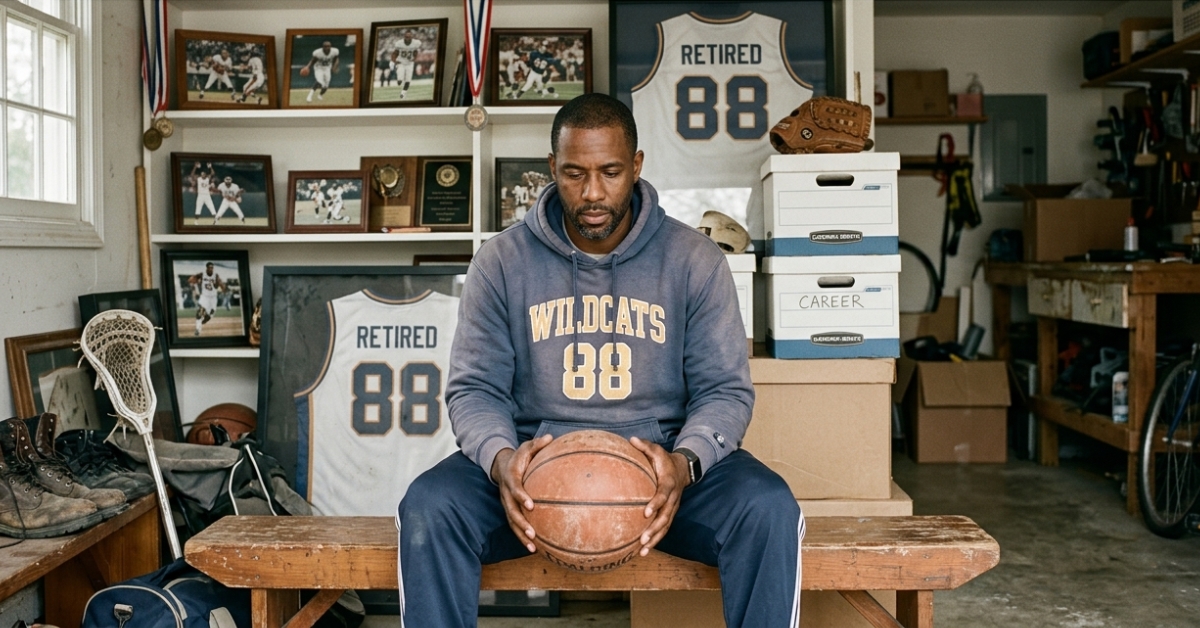
For many athletes, the most profound challenge in retirement is the loss of identity. Sports often define an athlete's sense of self from a very young age, and the abrupt end to their career can lead to a significant identity crisis. The routine, accolades, and the clear goals of professional sports provide a structured life that, once gone, leaves a void. Athletes must navigate this transition, rediscovering or reinventing their purpose beyond the sports arena.
Financial Management Difficulties
Despite popular belief, not all professional athletes retire wealthy. Financial mismanagement is common, given that many athletes peak financially at a young age, and might not have the necessary skills to manage their wealth long-term. The end of a regular income coupled with a lack of financial planning can lead to significant economic hardships post-retirement. Educating athletes about finance or involving financial advisors early in their careers can mitigate these risks.
Mental Health Struggles
The end of a sports career can also lead to mental health challenges, including depression and anxiety. The loss of daily physical activity, which naturally helps manage stress and anxiety, can exacerbate these issues. Furthermore, public scrutiny and the pressure to succeed post-retirement can increase mental health burdens. It’s crucial for retiring athletes to seek support through professional help, peer groups, or mental health programs tailored for athletes transitioning out of sports.
Difficulty in Career Transition
Transitioning to a new career is another significant hurdle for retired athletes. The skills developed in sports—such as teamwork, discipline, and leadership—are highly valuable but often need to be adapted to different industries. Athletes may struggle to find a new career path that is as fulfilling as their sports career. Mentorship programs, career counseling, and education can play pivotal roles in helping athletes find new professions where they can thrive.
Retiring from sports is a complex, emotional journey that goes beyond hanging up the jersey. It involves rediscovering oneself, managing finances wisely, addressing mental health, and finding a new career path. With the right support systems and planning, athletes can transition smoothly and successfully into their post-sport lives, turning these challenges into opportunities for growth and fulfillment.



Comments (0)