
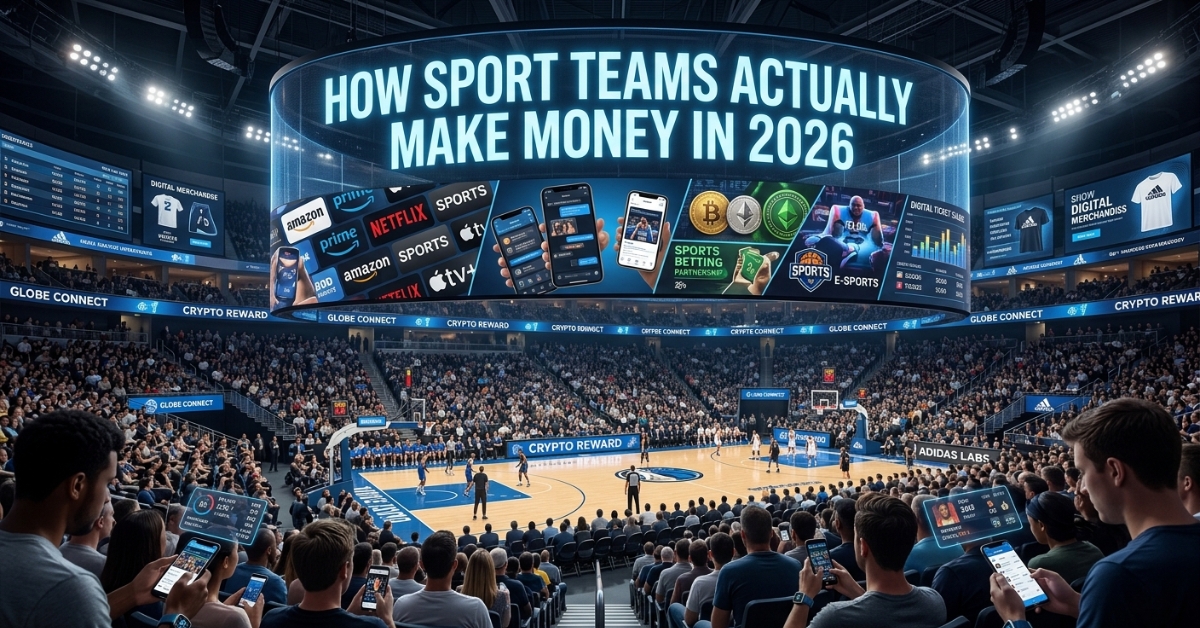
The landscape of sports team revenue generation has evolved significantly by 2026, integrating traditional methods with new-age digital innovations. This article explores the varied revenue streams that keep the sports industry buoyant in a rapidly changing economic environment.
Media Rights
Traditionally one of the largest sources of revenue for sports teams, media rights continue to dominate in 2026. With the advent of streaming services and specialized sports content platforms, teams are now negotiating their own media deals. These agreements ensure that teams earn substantial income from broadcasting their games, both locally and internationally.
Sponsorships and Brand Partnerships
Sponsorships and strategic brand partnerships remain crucial. In 2026, teams leverage augmented reality (AR) and virtual reality (VR) technologies to offer innovative sponsorship opportunities. Brands can engage with fans through virtual advertisements during live games, enhancing visibility and interaction.
Merchandising
The sale of team merchandise provides a significant revenue stream. In 2026, teams capitalize on global e-commerce platforms to sell their merchandise worldwide. Limited edition and personalized merchandise have become particularly popular, offering fans unique ways to support their favorite teams.
Digital Engagement and E-sports
As digital engagement increases, sports teams have started to invest in e-sports and virtual games, creating new revenue streams. These digital platforms not only increase fan engagement but also open up opportunities for advertising and new types of competitions that draw large online viewerships.
Fan Experiences and Stadium Innovations
In 2026, enhancing the fan experience continues to be a priority for sports teams. Stadiums are equipped with the latest technology to improve the spectator experience, including AI-powered concession stands and immersive viewing options. These innovations not only enhance fan satisfaction but also boost on-site spending.
International Expansion
With the globalization of sports, teams are increasingly looking at international markets to expand their fan base and generate additional revenue. Tours, international games, and training camps abroad are common strategies used to engage global audiences and tap into new markets.
In conclusion, sports teams in 2026 have diversified their revenue streams significantly. By embracing both traditional methods and innovative technologies, they ensure financial stability and growth in the dynamic world of sports. Understanding these mechanisms gives fans and stakeholders a deeper insight into the economics of sports teams today.




Comments (0)