
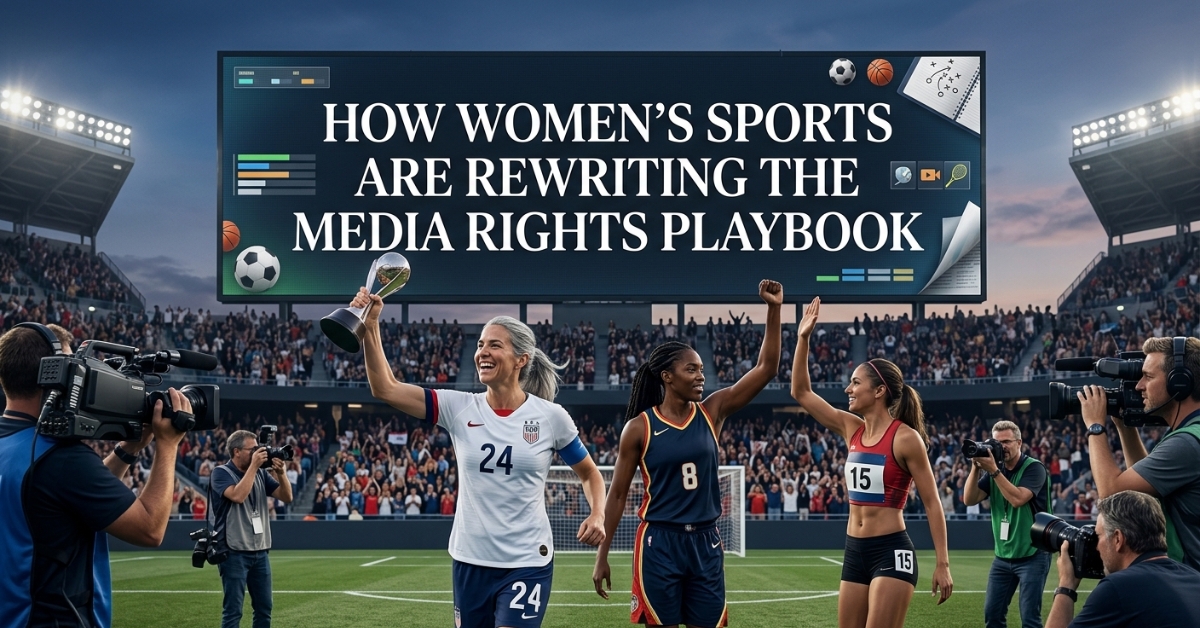
In recent years, the landscape of women's sports has undergone a significant transformation, particularly in the area of media rights. As interest in women's sports continues to grow, leagues and athletes are leveraging new opportunities to redefine their value in the media landscape. This article explores the innovative approaches being taken in the realm of media rights that are setting new standards and opening doors for women's sports globally.
The Rising Popularity of Women's Sports
The last decade has seen a notable increase in the popularity of women's sports, driven by greater media coverage and societal shifts towards gender equality. Major events like the Women's World Cup and the WNBA finals have drawn record numbers of viewers. This surge in viewership has caught the attention of broadcasters and sponsors, who are now seeing the untapped potential of investing in women's sports.
New Broadcasting Deals
One of the most significant changes has been the emergence of new broadcasting deals that are more favorable to women's sports leagues. For example, the National Women's Soccer League (NWSL) signed a landmark broadcasting agreement with CBS Sports and Twitch, which not only increased the league's exposure but also brought games to a global audience. Such deals are not only testament to the growing marketability of women's sports but also help in promoting athletes and teams to wider audiences.
Impact of Digital Platforms
Digital platforms are playing a crucial role in the expansion of media rights for women's sports. Streaming services and social media platforms offer alternative avenues for broadcasting games, which traditional media often overlooks. These digital platforms are particularly important for smaller leagues and sports, providing them with the much-needed visibility and control over their content. For instance, platforms like YouTube and Facebook have allowed sports like women's cricket and netball to reach fans across the globe.
Challenges and Opportunities
Despite the positive strides, challenges remain in achieving parity with men's sports in terms of media rights and investment. Women's sports are often still undervalued, and investment in media rights lags behind that of men's leagues. However, the current trajectory shows promising signs of change. As more stakeholders recognize the value of investing in women's sports, the landscape continues to evolve.
The Role of Sponsorships
Sponsorships are increasingly becoming a vital part of media rights strategies in women's sports. Brands that align with women's sports can tap into a diverse and engaged audience, thereby enhancing their visibility and association with empowerment and equality. Sponsorships also provide the financial backing needed to improve production quality and marketing, which in turn boosts media rights values.
Looking Ahead: The Future of Media Rights in Women's Sports
The future of media rights in women's sports looks promising. With the ongoing shift in viewer preferences and the continuous advocacy for gender equality, the market for women's sports will likely expand further. Innovations in digital broadcasting and supportive policy changes can accelerate growth, creating a more inclusive and equitable sports media landscape.
As women's sports continue to rewrite the media rights playbook, the potential for growth is immense. Stakeholders including broadcasters, sponsors, and league officials must continue to invest and innovate in the way they market and broadcast women's sports. By doing so, they not only contribute to the growth of the sports but also to a more diverse and inclusive sporting culture globally.



Comments (0)